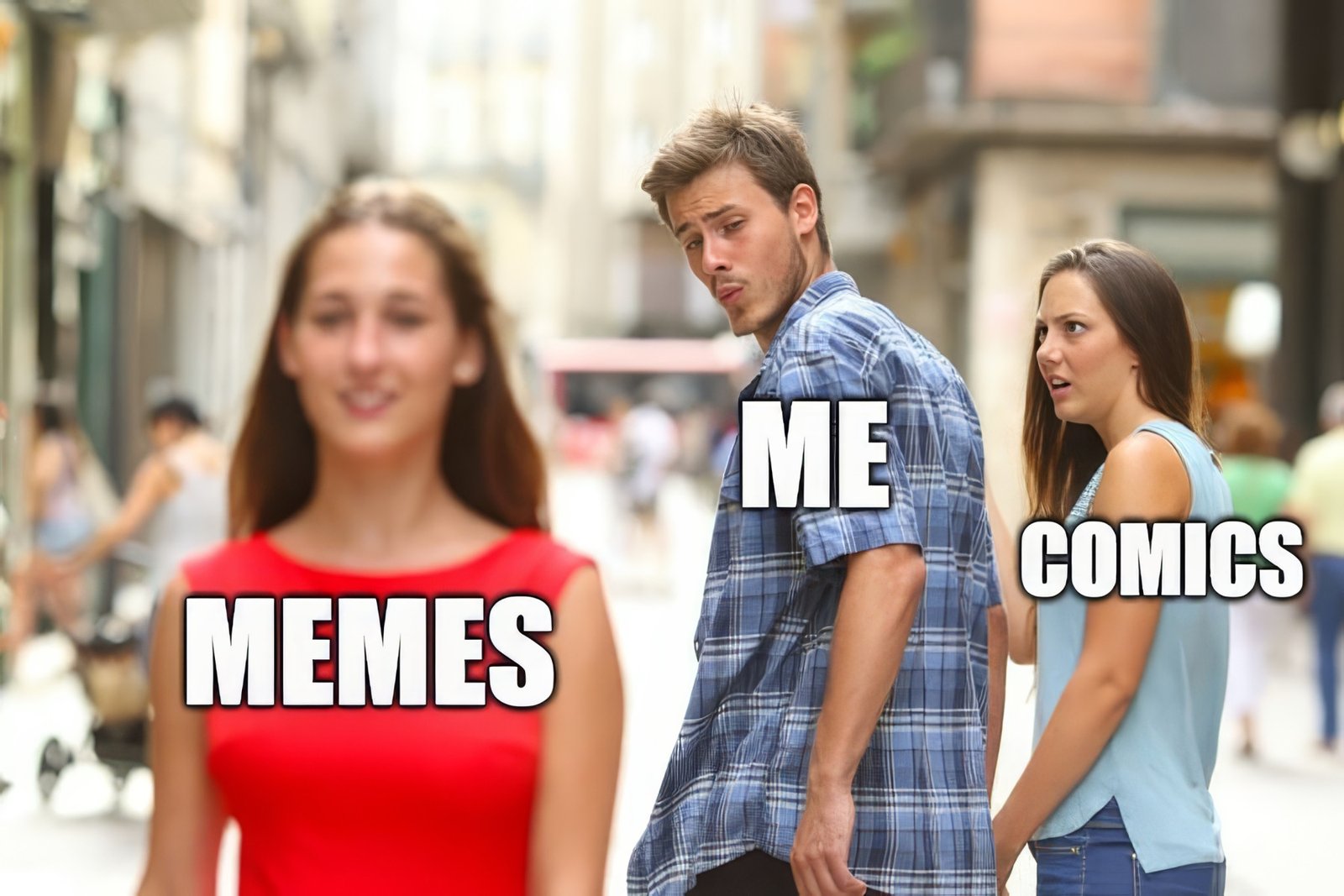
Memes move fast, but the ones that stick follow a few reliable rules: they’re instantly readable, emotionally honest, and specific enough to feel like they were made for someone. Whether you’re a student, creator, or marketer, learning to craft a clean, timely meme is a small skill with big returns—more comments, more shares, and a clearer brand voice.
If you’re just getting started, the easiest path is to use a tool that streamlines the busywork—uploading an image, adding text, styling, and exporting. With a modern editor like a meme creator online, you can go from idea to publish-ready in minutes while staying focused on the one thing that matters: the joke.
Why Memes Work (and What Makes Them Travel)
Memes are compressed storytelling. A single frame gives you visual context, the caption supplies the twist, and together they deliver a feeling in under three seconds. That speed is why they’re so shareable. The best memes:
- Leverage a familiar format so there’s no learning curve.
- Deliver a specific insight that people recognize from their own lives.
- Invite participation, either in the comments or through remixes.
When a meme feels like an inside joke you finally understand, you’re compelled to pass it on.
Start With a Real Situation
Instead of forcing a punchline, begin with a truthful moment your audience faces:
- “Opening the ‘quick sync’ calendar invite and seeing 14 attendees.”
- “The way my coffee tastes after I tell myself I’m only having one cup.”
- “Me: ‘I’ll start at 9.’ Also me at 9: ‘Researching desk plants.’”
Write your idea as a single, punchy line. If it takes more than one sentence to explain, tighten it. Then ask: What emotion sits under this? Dread? Confusion? Triumph? Your answer will guide the image you pick.
Pro tip: Draft five caption variations. The third or fourth is usually your keeper.
Match the Template to the Emotion
Picking the right template is half the joke. Common pairings that work:
- Dread or denial: “This Is Fine,” “Is This a Pigeon?”
- Surprise or discovery: “Pikachu Face,” “Chef’s Kiss”
- Comparison or glow-up: “How It Started vs. How It’s Going,” “Expectation vs. Reality”
- Triumph: “Leo Cheers,” “Oprah ‘You get a…’”
If your caption contrasts two states (before/after, expectation/reality), use a split or carousel. If it’s a single sting, choose a classic one-panel.
Design Like You Mean It
Good design doesn’t make a joke funnier, but bad design can ruin it. A few guardrails:
- Keep text short. Aim for 6–12 words. Uppercase sans-serif is fast to read.
- Maximize contrast. White text with a thin black outline, or put text on a subtle dark overlay.
- Use hierarchy. One headline, optional subline—never three competing thoughts.
- Crop with intent. Zoom in on the facial expression or moment that sells your caption.
- Mind the margins. Leave breathing room so text doesn’t touch the image edge.
Quick fix: If your background is busy, reduce image brightness slightly and keep the text crisp and bold.
Timing and Taste: Stay Agile, Stay Kind
Memes live on timing. A format can go from fresh to stale in days. To avoid missing the moment:
- Batch your ideas so you always have drafts ready.
- Publish when your audience is online. Engagement windows matter.
- Read the room. Each platform and community has its own style and sensitivities.
And on taste: punch up, not down. Satirize systems, not vulnerable people. Humor that ages well is rarely mean.
Add Value Beyond the Laugh (Especially for Brands)
If you’re using memes for growth, pair humor with a tiny dose of utility:
- Carousel play: Panel 1 is the meme; Panel 2 adds a checklist or micro-tip.
- Thread follow-up: Post the meme, then reply with a short explainer or resource.
- CTA that doesn’t feel like one: “What’s your version of this?” invites comments without sounding pushy.
This approach turns a quick laugh into a conversation—and conversations drive reach.
A Simple Repeatable Workflow
- Collect sparks in a notes app—lines you overhear, real moments from your week.
- Draft in batches—write multiple captions for each spark.
- Choose the template that mirrors the emotion.
- Design cleanly—tight crop, high contrast, short text.
- Test in a safe space—a friend or a small community. If they “get it” instantly, you’re ready.
- Ship fast—momentum beats perfection with meme culture.
- Review performance—saves, shares, and comments tell you more than likes.
Platform-by-Platform Nuance
- Instagram: Square or 4:5 vertical. Carousels are gold for adding a tip after the punchline.
- X/Twitter: Keep the caption short; timing around audience peaks is crucial.
- LinkedIn: Memes can work—sparingly. Tie them to a professional insight.
- Reddit: Learn each subreddit’s rules and tone; what plays in one may flop in another.
- TikTok/Shorts: Remix your still meme into a quick kinetic text video for extra reach.
Real Examples You Can Borrow
- Student life: “How It Started vs. How It’s Going”—color-coded semester plan vs. open tabs of late-night study hacks. Add a second slide with three exam-week focus tips.
- Small business: “Expectation vs. Reality”—“inventory day” vision vs. the post-it avalanche. Caption with a link to a simple stock-taking checklist.
- Nonprofits: “This Is Fine” for a common challenge, followed by a panel of ways supporters can help this week.
The throughline: relatable pain → quick laugh → tiny, helpful next step.
Common Pitfalls (and Their Fixes)
- Too much text. Cut it in half; then cut it again.
- Obscure references. Test with someone outside your bubble.
- Over-branding. Keep logos tiny or skip them; let content earn the goodwill.
- Posting for the sake of posting. Two great memes a week beat seven forgettable ones.
A 10-Minute Sprint Template
- Minute 1–2: Pick your situation and write three caption variants.
- Minute 3: Choose a fitting template.
- Minute 4–6: Design—short text, high contrast, clean crop.
- Minute 7: Export with platform-friendly dimensions.
- Minute 8–9: Draft a caption: hook → one-line context → light prompt.
- Minute 10: Publish when your audience is active.
Conclusion: Simple, Specific, and a Little Bit Brave
Great memes are short stories that don’t waste time. They’re specific enough to feel personal, clean enough to read in a heartbeat, and timely enough to feel alive. When you pair those qualities with a repeatable workflow, you’ll spend less time second-guessing—and more time making things people want to share. Keep it simple, keep it kind, and keep shipping. The internet rewards creators who show up with something true and just a little bit brave.